Get Limbs Removal
Limbs Removal services help property owners safely remove dangerous, overgrown, or unwanted tree limbs and branches, typically involving pruning, trimming, or complete limb removal.
If you are considering limbs removal services for your property, you’ve arrived at a resource that can help you explore your options. Property owners may seek this work for a variety of practical reasons, such as managing overgrown or hazardous trees, clearing space for new developments, or addressing safety concerns. Understanding the range of services available and comparing local contractors can assist in planning a project that aligns with your property’s needs and long-term goals.
By exploring the services offered by local contractors, you can gain insight into the different approaches and solutions available within your area. This information can support informed decision-making as you evaluate options for your property. Keep reading to discover how experienced service providers can assist with limbs removal work and help you find the right fit for your project.
- Limbs Removal - when a patient requires amputation due to severe injury or infection.
- Amputation Revision - if a previous limb removal needs correction or adjustment.
- Trauma-Related Amputation - following accidents or injuries that result in the loss of a limb.
- Elective Limb Removal - in cases where a limb is non-functional or causes significant health issues.
- Congenital Limb Amputation - for individuals born with limb differences requiring removal or modification.
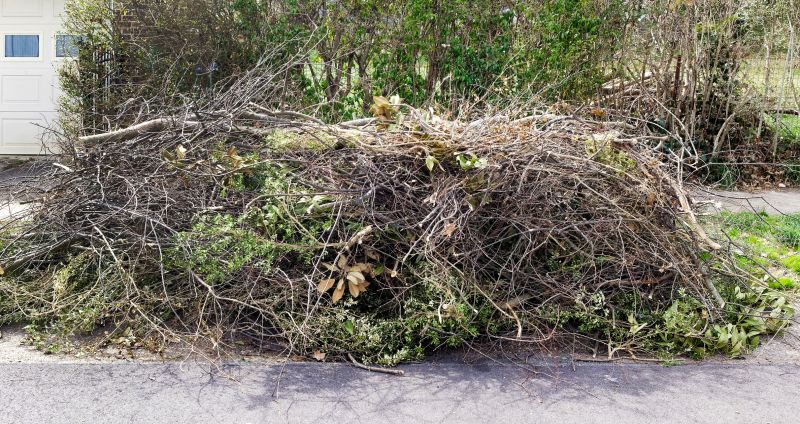
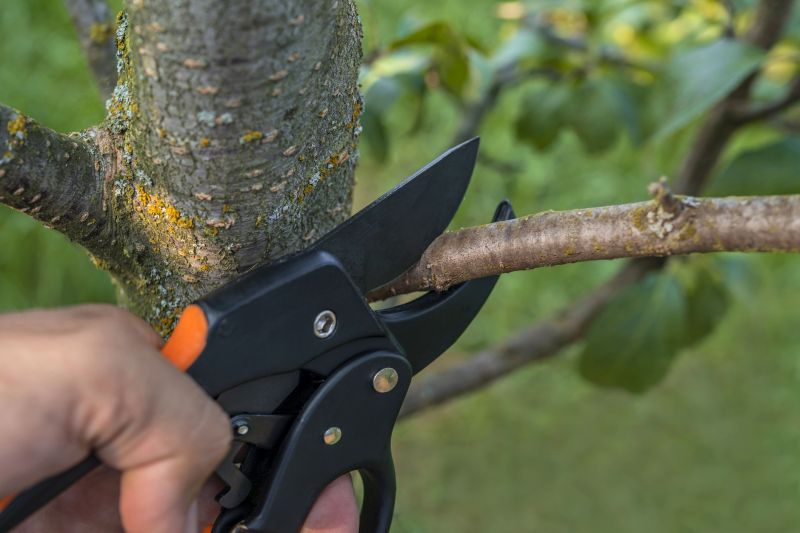
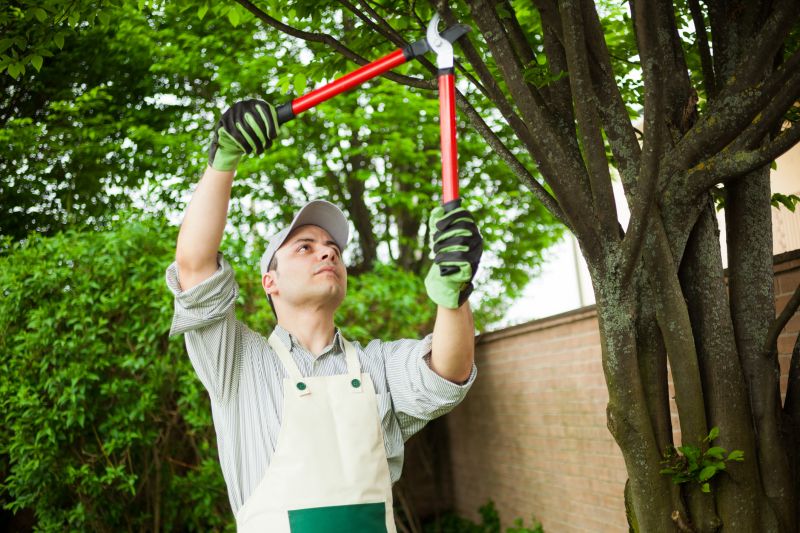
Limbs removal services involve the professional removal of damaged or problematic sections of a property's structure, typically focusing on parts such as trees, large branches, or other overgrown or hazardous elements. This work is often necessary when certain limbs pose a risk of falling, have become diseased, or are causing damage to the property. Skilled contractors use specialized equipment and techniques to safely and efficiently remove these parts, helping to prevent accidents and further property issues. The goal is to create a safer environment while maintaining the overall health and stability of the remaining structure.
This service helps address a variety of problems that can arise with trees and overgrown vegetation. For example, if a tree has dead or dying limbs that threaten to fall, limbs removal can mitigate the risk of injury or property damage. It is also useful when branches are interfering with power lines, roofs, or other structures, or when they have become diseased or infested with pests. Removing problematic limbs can improve the health of the remaining tree, promote better growth, and enhance the safety of the surrounding area.
Limbs removal services are commonly used in residential properties, commercial sites, and public spaces where trees and large plants are part of the landscape. Homeowners often seek these services to maintain the safety and appearance of their yards, especially in areas prone to storms or high winds. Commercial property managers and municipal authorities also rely on local contractors for regular tree maintenance, hazard mitigation, and clearance work to ensure public safety and compliance with local regulations.
Homeowners and property managers should consider limbs removal when they notice signs of damage or decay in their trees, such as broken or hanging branches, or if overgrown limbs are obstructing pathways or structures. This service is an essential part of ongoing property maintenance, helping to prevent accidents and preserve the aesthetic appeal of outdoor spaces. Contacting experienced local contractors can ensure that the work is performed safely, efficiently, and in accordance with the specific needs of each property.
The overview below groups typical Limbs Removal projects into broad ranges so you can see how smaller, mid-sized, and larger jobs often compare in your area.
In many markets, a large share of routine jobs stays in the lower and middle ranges, while only a smaller percentage of projects moves into the highest bands when the work is more complex or site conditions are harder than average.
Smaller Repairs - Typically, local contractors charge between $250 and $600 for routine limb removal procedures. Many smaller jobs fall within this range, depending on the specific limb and complexity of the case.
Moderate Procedures - More involved limb removals, such as those requiring additional preparation or specialized techniques, can range from $600 to $2,000. These projects are common and represent the middle tier of typical costs.
Extensive Removals - Larger or more complex limb removal services often cost between $2,000 and $5,000. Fewer cases reach this tier, usually involving significant surgical or reconstructive considerations.
Full Limb Replacement - The most comprehensive procedures, including full limb removal and replacement, can exceed $5,000, with costs varying based on the extent of work and materials involved. Such projects are less common and tend to fall into the higher end of the cost spectrum.
Actual totals will depend on details like access to the work area, the scope of the project, and the materials selected, so use these as general starting points rather than exact figures.
Amputation Rehabilitation Projects - local contractors skilled in limb removal often handle rehabilitation planning and support services for patients recovering from amputations.
Orthopedic Surgery Support - professionals experienced in complex surgical procedures related to limb removal can assist with pre- and post-operative planning and care.
Trauma Surgery Reconstruction - trauma specialists with experience in limb salvage and removal procedures work closely with service providers to manage emergency cases.
Prosthetic Fitting and Customization - technicians and specialists involved in fitting prosthetic limbs often collaborate with limb removal services for optimal patient outcomes.
Vascular Surgery Procedures - vascular surgeons who perform surgeries related to blood vessel removal or rerouting are related to limb removal projects requiring similar planning.
Emergency Medical Response Projects - first responders and emergency teams trained in rapid limb injury management share skills with limb removal service providers in urgent situations.
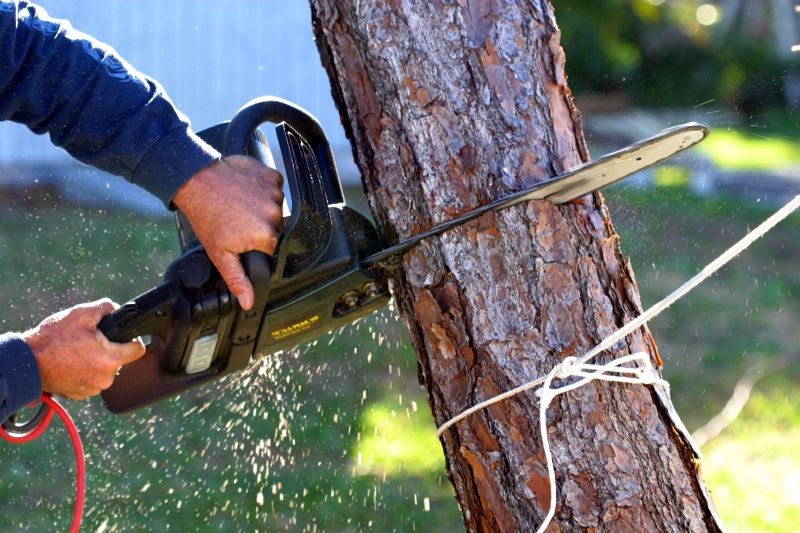
When evaluating service providers for limbs removal, it is important to consider their experience with similar projects. Homeowners should seek out local contractors who have a proven track record of handling limb removal jobs comparable in scope and complexity. An experienced professional is more likely to understand the nuances of the work, ensuring it is performed efficiently and effectively. Gathering information about past projects can provide insight into their familiarity with the process and their ability to manage different situations that may arise during the job.
Clear written expectations are essential to a successful partnership with any local contractor. Homeowners should look for providers who can articulate the scope of work, materials, and methods involved in the limbs removal process. Having detailed, written descriptions helps prevent misunderstandings and ensures everyone is aligned on what the project entails. When comparing options, it’s beneficial to ask for written estimates or proposals that outline the specific services included, enabling a more informed decision.
Reputable references and good communication are key indicators of a dependable service provider. Homeowners can ask potential local pros for references from previous clients who had similar work done. Speaking with past customers can reveal insights into the contractor’s professionalism, reliability, and quality of work. Additionally, effective communication throughout the process-such as responsiveness, clarity, and willingness to address questions-can significantly impact the overall experience. It’s important to remember that this site introduces homeowners to local options and does not perform the work itself, so selecting a well-regarded, communicative professional is a crucial step in the process.
Property owners use Limbs Removal services for practical projects around their homes and businesses. This guide focuses on everyday jobs and straightforward project options.
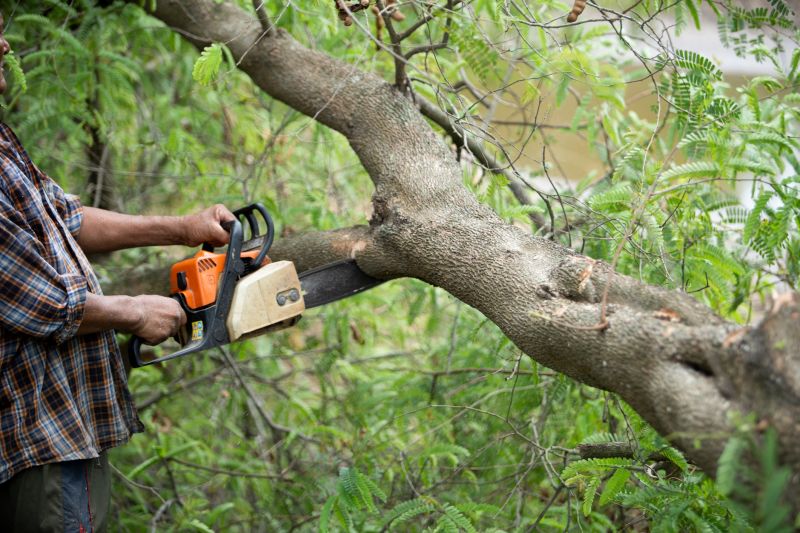
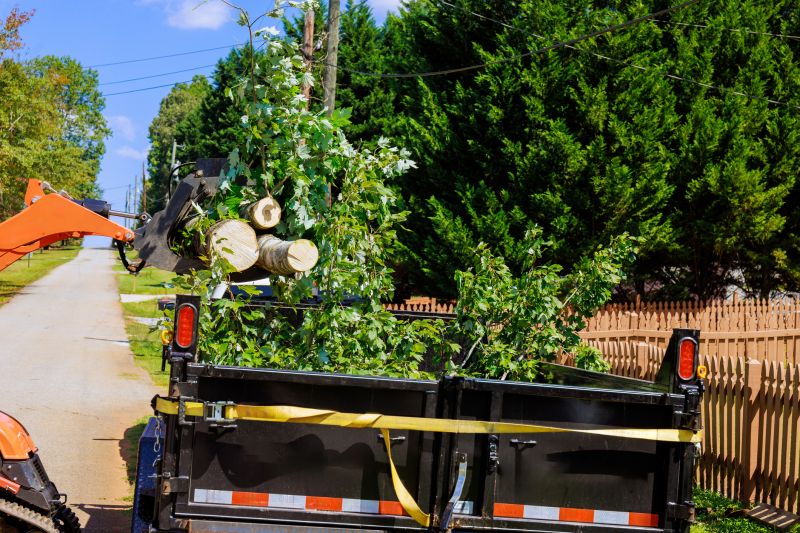
Limbs removal services are often needed in situations where property owners are dealing with overgrown or damaged trees that pose safety hazards or obstruct views. In some cases, fallen or weakened limbs may threaten structures, power lines, or pedestrians, prompting the need for professional removal. Local contractors experienced in tree and limb removal can handle these tasks efficiently, helping to maintain the safety and appearance of residential or commercial properties.
Property owners might also seek limbs removal services after severe weather events, such as storms or high winds, which can cause limbs to break or become unstable. Additionally, those undertaking landscape improvements or clearing space for new construction may require removal of excess or dead branches. Local service providers are available to assist with these projects, ensuring that limbs are removed safely and effectively to meet the property’s needs.
What types of limbs removal services are available? Local contractors offer a range of limb removal options, including upper and lower limb amputations, based on individual needs and medical requirements.
Are there different methods of limb removal? Yes, service providers may use various techniques such as surgical amputation or other medical procedures, depending on the specific situation.
How do I find qualified local professionals for limb removal? You can contact local service providers who specialize in limb removal procedures to discuss your needs and learn more about their offerings.
What should I consider when choosing a limb removal service provider? It’s important to look for experienced local contractors who can provide the appropriate procedure tailored to individual circumstances.
Can I get assistance with post-procedure support and rehabilitation? Many local providers can connect clients with specialists for post-operative care and rehabilitation services after limb removal.
Home Renovation Projects - Property owners planning major renovations can utilize limbs removal services to clear overgrown trees or branches that obstruct construction or landscaping efforts.
Storm Damage Cleanup - After severe weather, property owners may need to remove fallen or damaged limbs to restore safety and accessibility around the property.
Landscape Maintenance - Regular trimming and pruning services can help maintain healthy trees and prevent overgrowth that could interfere with outdoor activities or property features.
Tree Removal for Safety - When trees become hazardous due to disease or decay, property owners can work with local contractors to safely remove problematic limbs or entire trees.
If you are thinking about Limbs Removal for a property, this guide is meant to help you understand the work, the typical project types, and how different options might fit your plans.
When you are ready, you can use the quote form on this page to share a few details about your project. From there, local pros can review the basics and respond with options that match what you have in mind.